What Is the Pencil Test for Sagging Breasts?
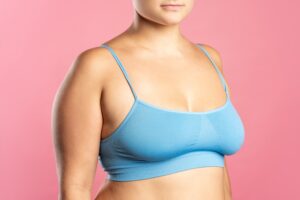 The pencil test is a simple at-home method used to check breast sagging, but it only provides a general idea—not a medical assessment. However, a consultation with Dr. Mary Herte is generally the best way to accurately determine whether a breast lift may be right for you.
Changes in breast shape and position are a natural part of life. Factors such as aging, pregnancy, weight fluctuations, and genetics can all contribute to a loss of firmness over time. For many women, this leads to a common question: Are my breasts sagging, and if so, how much?
One simple method that has gained popularity online is known as the “pencil test.” While it may offer a quick, at-home way to assess breast ptosis (sagging), it is only a rough guideline. Understanding how the test works—and its limitations—can help you determine your next steps if you are considering breast enhancement.
What Is the Pencil Test?
The pencil test is an informal way to evaluate whether your breasts have begun to sag. To perform it, place a pencil horizontally in the crease beneath your breast (known as the inframammary fold) without holding it in place.
- If the pencil falls, the breast tissue may still have enough firmness and lift to be considered relatively perky.
- If the pencil stays in place, it suggests that the breast is resting on the chest wall enough to hold the object, which may indicate some degree of sagging.
This test is often used as a quick, visual indicator of breast ptosis, but it does not measure the extent or severity of sagging in a medically precise way.
What Causes Breast Sagging?
Breast sagging, or ptosis, occurs when the skin and supportive structures of the breast stretch and lose elasticity. Several factors can contribute to this process:
- Aging: Over time, the skin produces less collagen and elastin, leading to reduced firmness.
- Pregnancy and breastfeeding: These can stretch the skin and ligaments as the breasts enlarge and then decrease in volume.
- Weight fluctuations: Gaining and losing weight can cause the breast tissue to expand and contract, affecting skin elasticity.
- Genetics: Some individuals are more predisposed to skin laxity and changes in breast shape.
- Gravity: Over the years, the constant pull of gravity can gradually alter breast position.
While the pencil test may suggest the presence of sagging, it does not identify the underlying cause or how advanced the condition may be.
Understanding Different Degrees of Ptosis
Medical professionals classify breast sagging into different grades based on the position of the nipple relative to the breast crease:
- Mild ptosis: The nipple sits at or slightly below the breast crease.
- Moderate ptosis: The nipple falls below the crease but still points forward.
- Severe ptosis: The nipple points downward and sits well below the crease.
The pencil test cannot distinguish between these levels. A breast may hold a pencil but still only have mild sagging, or it may indicate a more advanced degree of ptosis. This is why a professional evaluation is essential for accurate diagnosis.
Limitations of the Pencil Test
Although the pencil test is simple and accessible, it has several limitations:
- It is not a medical assessment: The test does not provide a precise measurement or diagnosis.
- Body variations can affect results: Individual breast size, shape, and skin thickness can all influence whether a pencil stays in place.
- It does not account for nipple position: The placement of the nipple is one of the most important factors in determining ptosis, but the pencil test does not evaluate this.
- It may lead to unnecessary concern: Some women may assume they need surgery based solely on this test, even if their concerns are minimal.
For these reasons, the pencil test should be viewed as a general reference point rather than a definitive answer.
When to Consider a Breast Lift
If you are noticing changes in breast shape, firmness, or position, you may be wondering whether a breast lift (mastopexy) could help. This procedure is designed to:
- Raise and reshape the breasts
- Remove excess skin
- Improve symmetry
- Reposition the nipples to a more youthful location
A breast lift does not significantly change breast size but can dramatically improve contour and overall appearance. Many patients choose to combine a lift with breast augmentation or breast reduction, depending on their goals.
Common signs that you may benefit from a mastopexy include:
- Breasts that appear deflated or elongated
- Nipples that point downward or sit below the breast crease
- Loose or stretched skin
- Loss of upper breast fullness
While the pencil test may prompt you to think about these concerns, it should not be the sole factor guiding your decision.
The Importance of a Professional Consultation
Ultimately, the best way to determine whether a breast lift is right for you is through a personalized consultation. Board-certified plastic surgeon Mary Herte, MD at the Herte Center for Cosmetic Surgery takes a comprehensive approach to evaluating each patient’s anatomy, concerns, and aesthetic goals.
During your consultation, Dr. Herte can:
- Assess breast position, skin quality, and nipple placement
- Discuss your medical history and lifestyle factors
- Review your desired outcome
- Recommend a customized treatment plan tailored to your needs
While the pencil test can be a helpful at-home starting point, it cannot replace the expertise and individualized guidance provided by an experienced surgeon.
Moving Forward with Confidence
It is completely normal for breasts to change over time, and there is no “right” or “wrong” result when it comes to the pencil test. What matters most is how you feel about your appearance and whether you would like to explore options for improvement.
Key Takeaways
- The pencil test can offer a quick, informal way to check for signs of breast sagging at home.
- Results from the pencil test are not definitive and do not measure the severity of ptosis.
- Factors like aging, pregnancy, weight changes, and genetics can all contribute to breast sagging.
- A breast lift can restore a more youthful shape by repositioning and reshaping the breasts.
- A personalized consultation is typically the most reliable way to determine your options and create a treatment plan tailored to your goals.
If you are curious about breast lift surgery, contact our practice today. Scheduling a consultation with Dr. Herte can help you make a confident, informed decision about your next steps. With expert guidance and a personalized approach, you can achieve natural-looking results that align with your goals and restore a more youthful breast contour.